
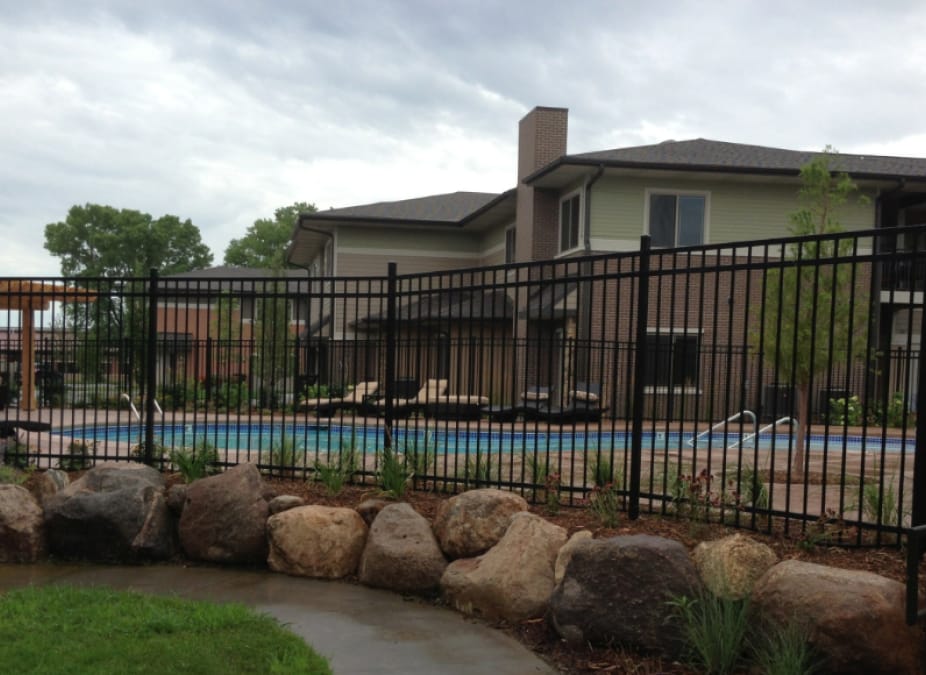
Why Steel when choosing a Metal Fence for Your Home
A metal fence can transform your home’s curb appeal and security, but the terminology gets confusing fast when you start hearing “wrought iron,” “steel,” and “aluminum” tossed around. Here’s what you actually need to know about choosing steel for a fence that delivers both the classic look and long-term durability.
Key Takeaways
If you are just starting to look at metal fences, here is the short version:
- Steel gives you the “old estate” look without the old estate upkeep. Modern ornamental steel is what most people are seeing when they think of wrought iron. Today’s steel has modern coatings that give it a refined look that lasts.
- You are really choosing strength and security. Steel is the muscle of fences and is a great option for those that prefer strength and security.
- Think about how long you want the fence to last with minimal upkeep. A steel fence usually costs more than some other options on day one, but many homeowners like that it is designed as a long-term, low-maintenance upgrade that keeps its shape and style for years.
Why Metal Fences Get Confusing
A metal fence is one of those upgrades you notice every single time you pull into the driveway. It can make a regular house look finished, like someone really thought through the outside of the property.
The confusing part hits when you start hearing “wrought iron,” “steel,” and “aluminum” used interchangeably.
What People Call “Wrought Iron”
If you walk through the older parts of town and see those heavy black fences in front of brick homes, that is the classic “wrought iron” look. True wrought iron is an older material that metalworkers heat and hand-shape, which is why those railings and gates all look a little different from one another.
These days, very few new residential projects use real wrought iron because it is a specialty product with higher material and labor costs and more hands-on care. Almost every new “wrought iron style” fence you see going into a subdivision is actually ornamental steel built to mimic that traditional style with modern coatings and a more approachable price.
Ornamental Steel: The Heavy Hitter
For S&W Fence, ornamental steel is the go-to choice when a homeowner says, “I want it to look sharp but also keep people and big dogs where they belong.” Steel is an iron alloy with enough carbon to make it stiff and hard to bend, which is exactly what you want in a security fence.
The steel itself is protected in layers. First it is bathed in zinc, then it gets a powder-coated finish that is baked on so it bonds to the metal. That combination makes today’s steel fences very resistant to rust and fading as long as you hose them off occasionally and touch up any deep damage.
Where steel really shines:
- Yards where security is important
- Driveway gates and front yards where you want that “substantial” feel
- Homes where you plan to stay put and want a once-and-done metal fence
Ornamental Aluminum: The Easy Keeper
Aluminum can often look very similar to ornamental steel. The key difference is aluminum is weaker and lighter than steel. Determined intruders, large dogs, or falling limbs can bend a panel more easily than they could with steel. If you go over and shake an aluminum section, you can usually feel that difference.
What About Cost?
Here is the honest answer: steel is not the “cheapest fence on the block,” but that is not really the point. Think of it like buying a good roof; you are paying more upfront so you do not have to think about it again for a long time.
Metal comes into the picture when you are looking for an open, ornamental look and a fence that is built with long-term durability in mind.
What Actually Drives the Price?
When the estimator from S&W comes out to your place, these are usually the levers that move the price up or down:
- Total feet of fence
- Height (4-foot yard fence vs. 6-foot security fence)
- Style (simple flat-top vs. decorative details and finials)
- Number and size of gates, especially driveway or automatic gates
- How tricky the yard is—slopes, trees, rock, tight side yards, and existing landscaping
Tweaking any of those items can bring the price closer to where you need it to be.
Don’t Forget Your HOA (And Why S&W Recommends Steel)
One important step that is easy to overlook: if you live in a neighborhood with a Homeowners Association (HOA), they may have rules about what type, height, color, or style of fence you are allowed to install. Before you get too far into fence designs, check your HOA guidelines or call your HOA board and confirm what is allowed, then share that information with S&W Fence so the design and quote match your neighborhood rules.
When homeowners want an ornamental metal fence that looks high-end, feels solid, and is built for the long haul, S&W Fence recommends ornamental steel. It delivers that classic “wrought iron” style, adds real strength and security, and is designed as a long-term, low-maintenance upgrade for your property. From there, S&W Fence will put together a fence plan that fits your home, your budget and factors in any HOA requirements.


Leave a Reply
Want to join the discussion?Feel free to contribute!